
Browse Exhibitions
Art and History
The Princeton Public Library’s permanent collection of art serves the mission and vision of the library as “a vital cornerstone of community connection, where curiosity and wonder flourish.” Historical exhibitions provide further insight into its communities, landmarks and defining events.
Featured Exhibition
“Spirits Among Us: Yōkai Paintings by Minako Ota“
This exhibition presents 25 yōkai works created by Minako Ota. Yōkai painting is an important genre in Japanese art with a long history. From Heian-period tales and medieval picture scrolls to Edo-period ukiyo-e, people have visualized, depicted and passed down stories of unseen beings.
Princeton Stories
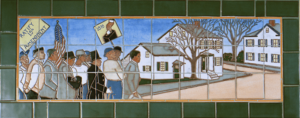
Princeton has been home to many places and events in American history. In this online exhibition, you will find the people, places and stories behind some of Princeton’s most well-loved landmarks, and little-known sections of history. Through tiles created by artist Katherine Hackl, we have been able to share these stories and inspire lifelong long learning of our beloved town. By further examining each tile, you will learn the story behind it, view the images that inspired Hackl’s artwork and be connected with resources for further research.
Art in the Library
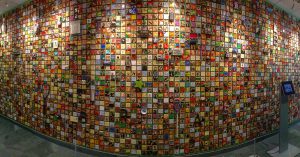
More than two dozen pieces of art from the permanent collection are featured on display at the Princeton Public Library. Much of the art was commissioned or acquired for the opening of the Sands Library Building in 2004, but new works have been occasionally added to the collection. All artwork in the library has been acquired through generous private donations.
Spirits Among Us: Yōkai Paintings by Minako Ota
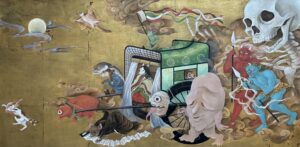
This exhibition presents 25 yōkai works created by Minako Ota. Yōkai painting is an important genre in Japanese art with a long history. From Heian-period tales and medieval picture scrolls to Edo-period ukiyo-e, people have visualized, depicted and passed down stories of unseen beings.